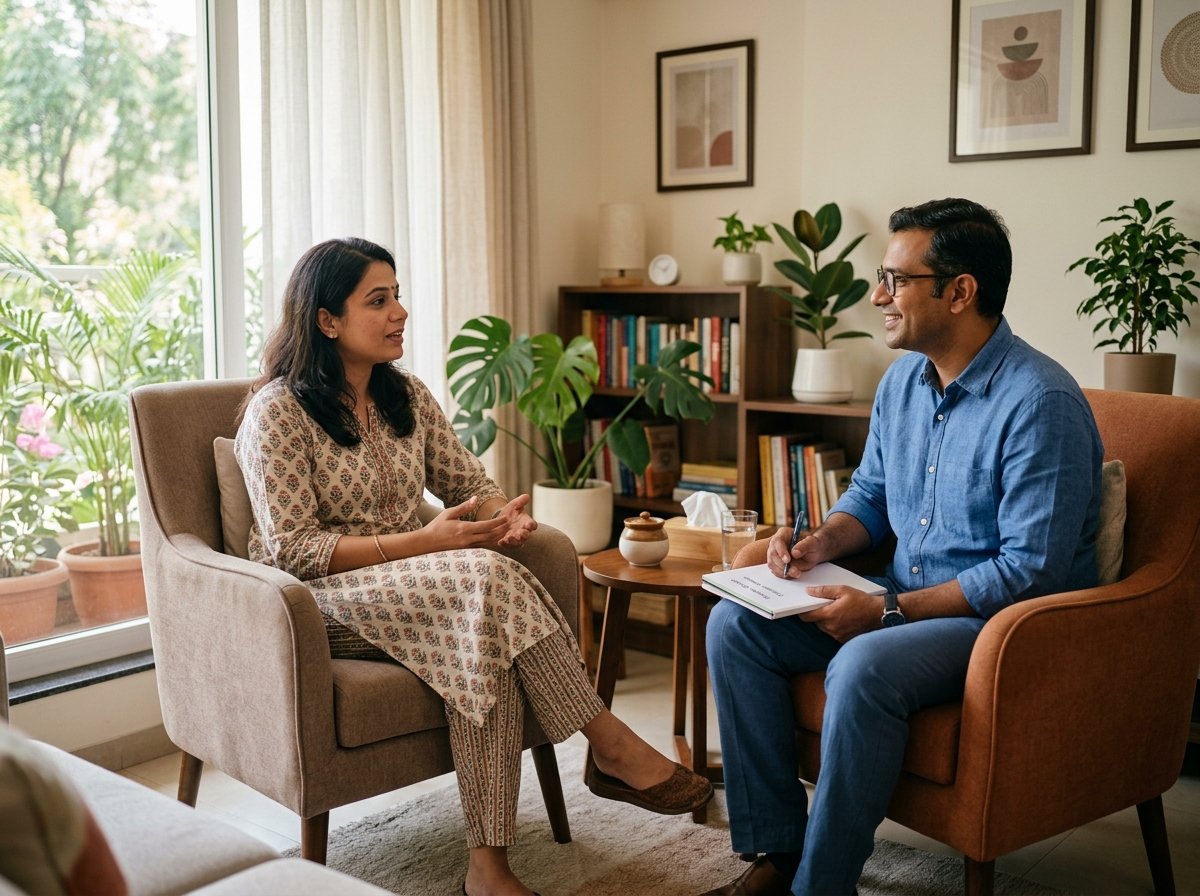
Anxiety Disorders in Seniors
Mood & Emotional HealthTreating late-onset generalized anxiety, health phobias, catastrophic worries over family safety, fear of falling, and restless agitation.
Late-life anxiety often manifests as constant, uncontrollable worry regarding health, finances, or family safety, accompanied by somatic tremors, pacing, and sleep terrors that severely impair daily peace of mind.
- Excessive, repetitive phone calls to adult children asking if they arrived safely
- Paralyzing fear of falling (basiphobia) leading to self-imposed confinement to bed
- Cardiovascular symptoms: heart racing, palpitations, tightness in chest mimicking cardiac arrest
- Compulsive re-checking of gas stoves, locks, bank passbooks, or medicine strips
- Diminished sensory acuity (hearing loss, cataract vision decline) inducing environmental insecurity
- Medical comorbidities (thyroid dysregulation, respiratory COPD, early Parkinson's)
- Adverse reactions or withdrawal symptoms from long-term sleeping pills (benzodiazepines)
- Panic attacks causing frequent emergency room hospital visits with negative cardiac findings
- Complete refusal to walk, leave the house, or bathe due to phobic fear of falling
- Agitation leading to sleep deprivation lasting multiple days
- Mindfulness, progressive muscle relaxation, and slow diaphragmatic breathing
- Cognitive reframing of catastrophic health anxiety and fall-prevention confidence training
- Medication rationalization (de-prescribing addictive sleep sedatives safely)
Caregiver-Family Dynamics
Cognition & Family DynamicsResolving miscommunications between aging parents and adult children, balancing safety with senior independence, and preserving elder dignity in the family home.
As parents grow frail and adult children step into caretaking roles, the dramatic "role reversal" often causes emotional friction. Aging parents feel infantalized and stripped of authority, while adult children feel overwhelmed by worry and care duties.
- Battles over giving up car keys, scooter driving, or walking alone outdoors
- Parents feeling ordered around by adult children or daughters-in-law
- Adult children feeling guilty for being short-tempered or unable to attend to every elder whim
- Disagreements between overseas NRI siblings and local caregiving siblings in Ahmedabad
- Loss of control: the senior struggles to accept physical decline and dependency
- Lack of clinical communication training on how to talk to a cognitively frail parent
- Persistent hostility in the home where senior feels unwelcome or neglected
- Dangerous defiance: senior secretly engaging in risky physical tasks to prove independence
- Caregiver burnout threatening the marital and emotional health of the adult children
- Geriatric Family Consultation facilitated by Dr. Ravi Soni
- Validation therapy training for adult family members (connecting instead of correcting)
- Structured Family Elder Care Agreements balancing safety with senior autonomy
Chronic Illness Adaptation
Transitions & LossPsychological counseling for seniors adapting to stroke rehabilitation, Parkinson's disease, osteoarthritis, cardiac illness, dialysis, or chronic pain.
Physical medical conditions take an immense emotional toll. Seniors battling chronic illnesses often experience anger, denial, depression, and loss of dignity when relying on others for daily tasks like walking, eating, or bathing.
- Post-stroke depression: sudden crying spells, emotional liability, and loss of recovery drive
- Parkinson's-related anxiety, apathy, and embarrassment over motor tremors in public
- Chronic pain causing irritability, sleep exhaustion, and feelings of hopelessness
- Resistance to physiotherapy, assistive walking aids (canes/wheelchairs), or dialysis
- Neurobiological damage from cerebrovascular disease directly altering mood circuits
- Grief over the loss of bodily autonomy, independence, and previous active lifestyle
- Patient giving up on physical rehabilitation and expressing desires to stop treatment
- Emotional outbursts directed aggressively at caregivers or family members
- Complete bed-confinement driven by depression rather than physical impossibility
- Integrated Geriatric Neuropsychiatry care by Dr. Ravi Soni
- Acceptance and Commitment Therapy (ACT) adapted for older adults with physical limitations
- Dignity-conserving psychotherapy and collaborative motivation with physiotherapists
Cognitive Changes & Memory Health
Cognition & Family DynamicsEvaluation and cognitive stimulation therapy for Mild Cognitive Impairment (MCI), age-associated memory lapse fears, and differentiating normal aging from dementia.
Many seniors live with terrified anxiety that every forgotten name or misplaced key signifies Alzheimer's. Specialized geriatric cognitive evaluation provides definitive answers, reassurance, and early neuro-protective interventions.
- Normal Aging: forgetting where you put glasses; MCI/Dementia: forgetting what glasses are used for
- Frequently repeating the exact same questions within 15 minutes
- Getting disoriented on familiar driving routes or neighborhood walks
- Difficulty managing banking, calculations, or familiar cooking recipes
- Cerebral microvascular disease, hypertension, uncontrolled diabetes, high cholesterol
- Neurodegenerative protein deposits (amyloid and tau tangles)
- Vitamin B12 or thyroid deficiencies, reversible causes of memory fog
- Wandering or getting lost outside the home in Ahmedabad
- Safety hazards: leaving cooking gas burner on, mismanaging powerful cardiac medication
- Accusing family members of stealing misplaced items (persecutory delusions)
- Standardized Geriatric Cognitive Testing (HMSE, MoCA, CDR)
- Cognitive Stimulation Therapy (CST) and brain retraining exercises
- Evidence-based cognitive enhancer medications and doctor home visits
Depression in Older Adults
Mood & Emotional HealthAddressing late-life depression, pseudo-dementia, loss of joy (anhedonia), unexplainable physical complaints, and chronic fatigue in seniors.
Depression in older adults is frequently missed because seniors often express distress through physical aches, digestive complaints, or memory slowdown ("pseudo-dementia") rather than overt sadness. Depression is NOT an inevitable part of aging; it is a highly treatable medical condition.
- Persistent loss of interest in hobbies, spiritual routines, television, or grandchildren
- Vague, unexplained physical aches, headaches, or gastrointestinal distress unconfirmed by medical tests
- Significant sleep disturbances (waking at 3 AM with inability to fall back asleep)
- Loss of appetite, noticeable weight loss, or slow, sluggish body movements
- Frequent statements such as "I am just a burden on everyone" or "What is left to live for?"
- Vascular changes in the brain (vascular depression) associated with hypertension or diabetes
- Social losses: death of friends, loss of professional status, reduced physical mobility
- Chronic illness burden and medication interactions disrupting neurotransmitter balance
- Senior expressing passive or active death wishes: "It would be better if God took me away"
- Refusing to eat meals, take life-saving daily medications, or get out of bed
- Rapid cognitive slowing accompanied by extreme melancholy
- Comprehensive evaluation by DM Geriatric Psychiatrist Dr. Ravi Soni
- Supportive Geriatric Cognitive Behavioral Therapy & Reminiscence Therapy
- Safe, elderly-friendly pharmacotherapy with minimal anticholinergic side effects if indicated
Grief and Bereavement
Transitions & LossCompassionate psychotherapy for seniors mourning the death of a lifelong spouse, siblings, or lifelong friends; navigating complicated prolonged grief.
Losing a partner of 40 or 50 years shatters the daily architecture of an older adult's existence. The surviving spouse must cope not only with intense emotional sorrow but also with the sudden loss of their primary confidant and domestic partner.
- Normal grief comes in waves with fond memories interspersed; clinical depression brings unremitting self-blame and worthlessness
- Intense yearning, searching for the deceased spouse's presence, or mistaking shadows for them
- Disbelief that the partner is truly gone, preserving their room untouched for months
- Profound identity crisis: "Who am I without my husband / wife?"
- Prolonged Grief Disorder (symptoms remaining incapacitating beyond 12 months)
- Survivor guilt: believing they should have saved their spouse or died instead of them
- Senior expressing inability to continue living alone after bereavement
- Rapid physical decline, refusal of nutrition, or severe "broken heart syndrome" (Takotsubo cardiomyopathy)
- Complete social withdrawal and continuous tearfulness impairing basic survival tasks
- Complicated Grief Therapy (CGT) honoring the bond while rebuilding an autonomous life
- Life Review & Legacy Remembrance: creating memory books, transcribing oral histories
- Caregiver alignment to provide structured emotional holding without forcing false cheerfulness
Loneliness and Social Isolation
Mood & Emotional HealthReconnecting seniors experiencing empty-nest syndrome, loss of lifelong peer circles, living alone, and feeling forgotten in modern fast-paced society.
Loneliness is not merely feeling solitary; it is a profound subjective sense of emotional emptiness and alienation. For older adults in urban centers like Ahmedabad, the migration of children abroad or busy work schedules can create crushing isolation.
- Spending entire days in front of the television without speaking a word to anyone
- Reluctance to groom, change clothes, or prepare proper meals when alone
- Expressing that the world has moved on and they have no purposeful role remaining
- Over-attachment to strangers, domestic workers, or customer service lines for basic conversation
- Clinical studies show severe loneliness carries a mortality risk equivalent to smoking 15 cigarettes a day
- Accelerates cognitive decline, increases Alzheimer's risk by 50%, and suppresses immune functioning
- Senior neglecting personal hygiene, skipping diabetes/hypertension meds when alone
- Expressing feelings of abandonment, deep apathy, or complete disconnection from life
- Significant deterioration noticed by relatives visiting after a few months
- Structured Social Prescribing: linking seniors to community centers, laughing clubs, or satsang groups
- Interpersonal Psychotherapy (IPT) to foster meaningful emotional intimacy with adult children
- Doctor home visits and caregiver-coordinated companionship routines in Ahmedabad
Retirement Adjustment
Transitions & LossOvercoming the loss of professional identity, sudden unstructured time, marital tension post-retirement, and creating a vibrant, purposeful "Third Act" of life.
While anticipated as a holiday, retirement can trigger profound psychological disorientation. The sudden cessation of professional authority, daily routine, and social respect often leads to irritability, depression, and marital friction.
- Restlessness, waking up early with "nowhere to go and nothing of value to do"
- Irritability and micromanaging spouse's household routines ("Retired Husband Syndrome")
- Loss of self-esteem tied previously to professional designation, income, and leadership
- Feelings of being obsolete, forgotten by former colleagues, and unproductive
- Abrupt transition without psychological preparation for leisure and aging identity
- Marital friction when spouses who spent 8 hours apart suddenly share 24 hours together
- Onset of heavy drinking, depressive withdrawal, or chronic hypochondria post-retirement
- Severe domestic hostility and marital breakdown occurring in late-life years
- Senior describing life as meaningless or merely waiting for the end
- Life Purpose & Meaning Reconstruction: discovering mentorship, advisory, or philanthropic passions
- Daily schedule structuring: balancing mental stimulation, physical fitness, and social life
- Couples counseling for retirees to negotiate personal space and shared retirement visions